
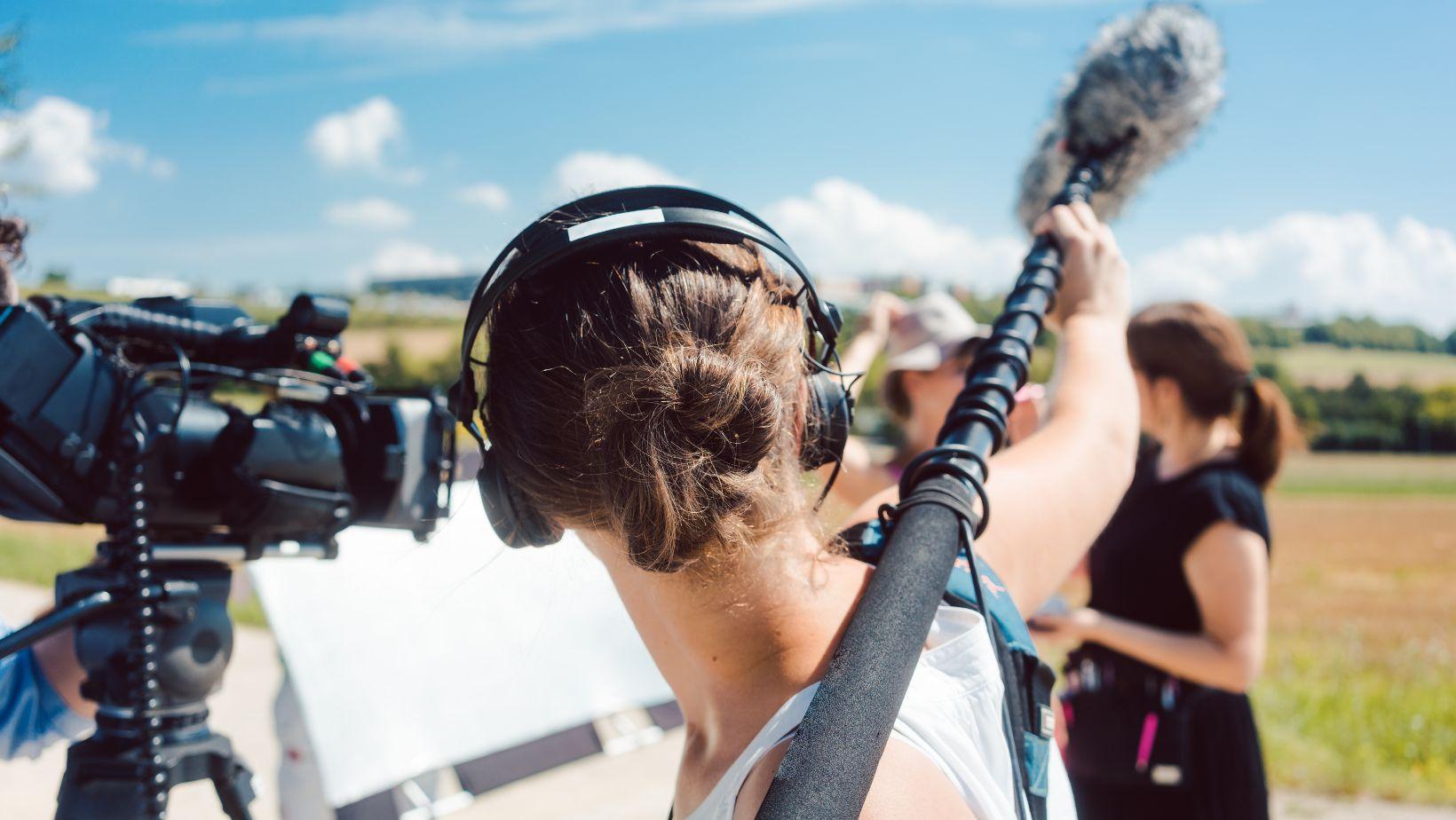

Georgia shot 280 productions last year. Not pitched. Not greenlit. Shot. That number, confirmed in a WSB-TV report out of Atlanta on August 3, 2026, put the state’s film and TV spend north of $2 billion for the year, and it’s not slowing down. Trilith Studios, just south of Atlanta, is gearing up for the Superman sequel to return to its soundstages, a follow-up to the 2025 hit that already proved the Peach State could double as Metropolis.
Crews are working. Grips, gaffers, set dressers, caterers, all of it. Local hotels near Trilith and Blackhall Studios in Atlanta are booked out during peak shoot windows. The Atlanta Journal-Constitution reported that the sequel appears set to film in Georgia again, which tells you something about how sticky this production ecosystem has become. Once a studio builds the infrastructure, and the crews, and the tax credit relationships, it doesn’t just leave.
Here’s the part that doesn’t make the trade headlines. Cast and crew on a six-week shoot have downtime. Lots of it. Night shoots mean dead afternoons. Weather delays mean dead days. And increasingly, that downtime gets filled the same way any bored, well-paid person fills it in 2026: on a phone, on an app, on something with odds attached. A growing share of that idle time and idle cash is flowing into georgia online casinos, the state’s other fast-growing entertainment sector, and one that runs on a very similar appetite. People want stakes. They want a story with an outcome. Whether that’s a three-act script or a blackjack hand, the psychology isn’t far apart.
The Money Behind the Cameras
Georgia’s film tax credit program has been the backbone of this for almost two decades, but 2026 feels different in scale. The state offers up to 30% back on qualified production spend, and productions have leaned on that hard enough to make Georgia the third-largest production hub in the US behind California and New York. That’s not a marketing line. It’s in the spend data.
But booms wobble. Spectrum News reported in late 2025 that the industry had dipped before this rebound, a reminder that soundstage bookings aren’t guaranteed forever. Streaming budgets tightened. Some productions chased cheaper credits in places like New Mexico or Louisiana. Georgia’s 2026 numbers are a genuine rebound story, not a straight upward line, and that nuance matters if you’re trying to understand why the state is leaning harder into other entertainment revenue streams at the same time.
A Georgia Tech Economics Journal analysis of Marvel’s Atlanta footprint found the ripple effects go well past the crew paychecks. Restaurants near Pinewood Studios saw sustained upticks in evening business. Short-term rentals near production hubs turned into a cottage industry of their own. The same logic applies to gaming. When a local economy gets used to entertainment dollars circulating fast, more entertainment options show up to catch them.
Why the Same Audience Wants Both
Think about who’s actually watching the Superman sequel or the next Marvel Atlanta shoot. Same demographic that’s driving mobile-first entertainment spend generally. Twenty-five to forty-four year olds, disposable income, phone in hand during every commercial break and every rideshare. That’s also, not coincidentally, the exact demographic online casino platforms are built for.
Georgia hasn’t legalized in-state online casino gaming yet. Players there mostly access offshore-licensed platforms, the same way sports bettors did in most states before mobile sportsbooks went legal one at a time. Capitol Beat News Service reported in August 2025 that lawmakers pushing legalization were optimistic heading into the 2026 General Assembly session, framing it explicitly around tax revenue the state is currently leaving on the table. That’s the same argument Georgia used to build its film incentive program in the first place: don’t lose the spend to a neighboring state, capture it here.
It’s a short jump from “our film incentives brought $2B in production spend” to “our gaming policy could capture X million in tax revenue we’re currently losing to Curaçao-licensed apps.” Lawmakers know it. That’s why this isn’t a background story anymore.
What the Set Actually Looks Like
Talk to anyone who’s crewed a Georgia shoot and you’ll hear the same rhythm. Twelve-hour days. Sudden six-hour gaps. A production assistant sitting in a folding chair outside a soundstage in Fayette County with nothing to do until the light comes back.
That gap used to mean cards. A deck, a folding table, five bucks a hand between takes. Now it’s a phone. Same stakes, different table. The habit didn’t change. The format did.
I’ve talked to a few crew members off the record who describe exactly this: a blackjack app during a lighting reset, a slot spin during a costume change. Nobody’s staking their per diem. It’s five, ten dollars, the same amount that used to go into a card game pot. The friction of finding a physical game disappeared. The impulse didn’t.
The Bigger Picture
Georgia isn’t unique in pairing a production boom with a gaming boom. Nevada obviously did it decades ago, just in reverse order. But the speed here is unusual. A state can go from “emerging production hub” to “national top-three” in under twenty years, and the same infrastructure, cheap real estate, tax incentives, a workforce willing to learn a trade fast, applies just as well to data centers and fintech platforms as it does to soundstages.
Not every part of this boom survives contact with reality. Streaming budgets could tighten again in 2027. A studio could pull out. But right now, in August 2026, the momentum is real, and it’s dragging a second entertainment economy along behind it whether Georgia’s legislature has fully caught up or not.
For readers tracking how film history keeps reshaping itself, this rhymes with older patterns. The same instinct that built out practical effects empires in 50s horror movies on shoestring budgets, resourceful crews finding cheap, fast ways to give audiences a thrill, is alive on a modern Trilith soundstage. It’s also alive in an app that turns a six-minute break into three hands of blackjack.
FAQ
Is online casino gaming legal in Georgia? Georgia hasn’t legalized in-state regulated online casino gaming as of August 2026. Georgia sports betting and casino bills have been debated repeatedly, and lawmakers are pushing again ahead of the 2026 General Assembly session, but nothing has passed yet.
Why is Georgia such a big film production hub? A 20-year-old film tax credit offering up to 30% back on qualified spend built the infrastructure first: soundstages, trained crews, permitting offices used to big productions. That infrastructure now attracts productions faster than newer incentive states can match.
Did the Superman sequel actually film in Georgia? Reports as of late 2025 indicated the sequel was set to return to Trilith Studios near Atlanta, following the 2025 film’s production there. It’s part of a broader pattern of franchise productions returning to the same Georgia facilities.
How much did Georgia’s film industry spend in 2026? WSB-TV reported production spending topping $2 billion for the year, with 280 productions confirmed as of the August 3, 2026 report, a figure driven by both major studio releases and a steady stream of TV and streaming work.
What’s driving interest in online casinos among production workers? Downtime. Long gaps between setups on a film set create the same conditions that made card games popular on set decades ago. Mobile gaming apps have simply replaced the folding table as the easiest way to fill that time.
Two Booms, One State
Georgia didn’t plan for its film incentives and its gaming appetite to grow on the same timeline. But they have. A $2 billion production year and a legislature actively debating gambling legalization aren’t separate stories. They’re the same story about a state that got good at building entertainment infrastructure fast, then discovered a second use for it.
Gambling involves risk. Please play responsibly and only wager what you can afford to lose. If you feel gambling is becoming a problem, visit BeGambleAware.org or call 1-800-GAMBLER.